
The archive
The archive is the product, not the book
A printed book is one way to hold a life. The thing worth building is the private record it comes from.
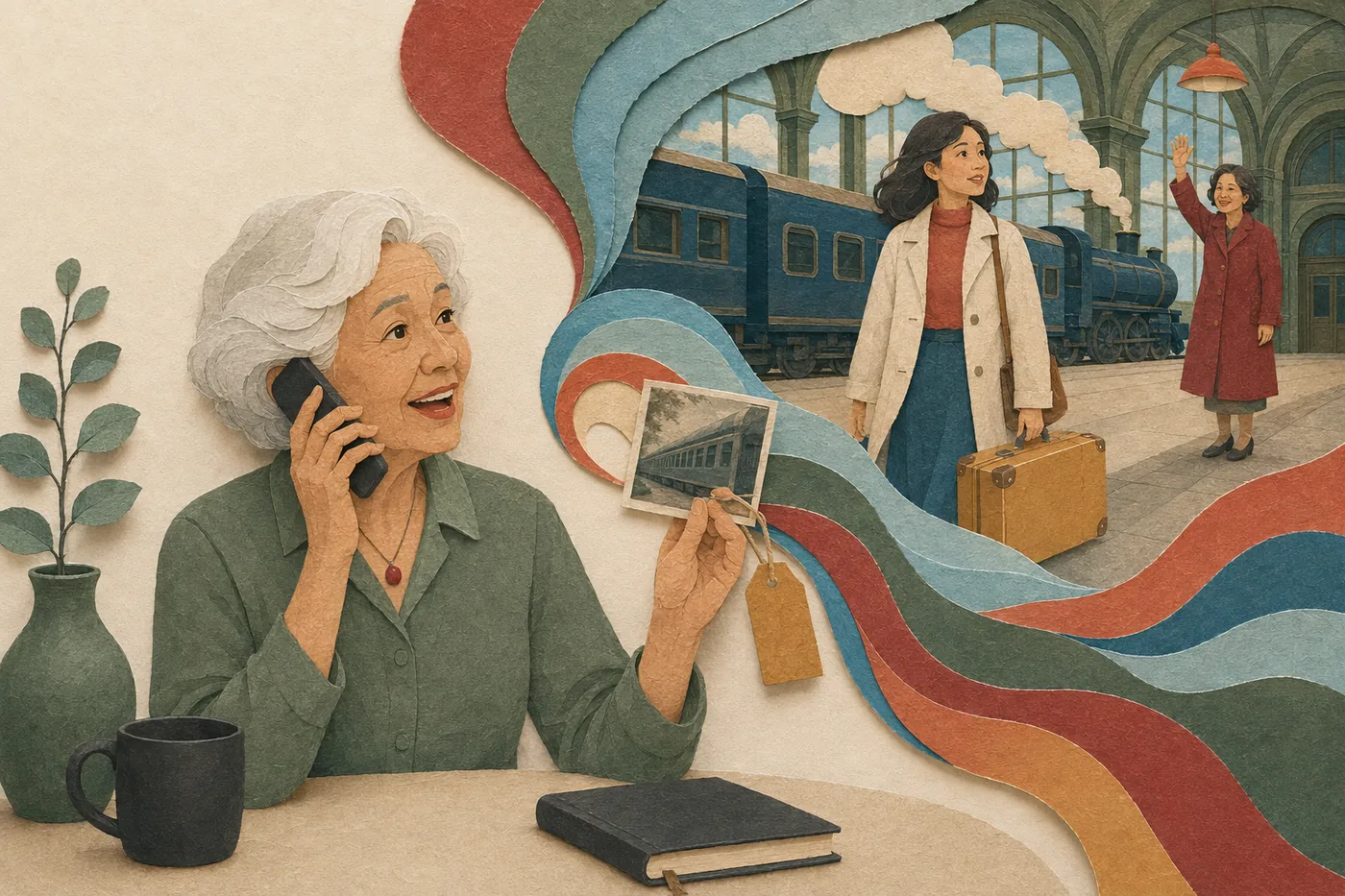
People picture a hardcover first, and they are not wrong to. Holding a life in two hands is moving. It is also a finished object, and finished objects sit on shelves.
Joan is not a book-making company. The durable product is a private, living archive of approved stories, the people and places in them, and the recordings they came from. A book is one rendering of that archive. So is an audio edition in the storyteller’s own recorded voice. So is a shorter volume for grandchildren, or a memorial edition, or something that does not exist yet.
Why that distinction matters
If the book is the product, the work is done when the binding is. If the archive is the product, the work can continue while the person is still here to add to it. Continuity is the whole point of a private biographer: each conversation can use what the last one learned.
It also means the family is not trapped in one format. A short life on the page might want to be a slim paperback. A longer one might want a hardcover. The same material can be an audio edition without anyone being re-interviewed, because the recordings were kept.
What exists today, and what does not
The archive, the approval gate, and the original recording are the parts that have to exist first. Printed keepsakes come after there are enough approved stories to fill one. Audio editions will use those original recordings, not a synthetic voice.
How Joan works ends at the archive for this reason — not because the book matters less, but because the archive is what allows one life to become more than one thing.
Founding Families start with the archive. Join them.